Ozempic vs Mounjaro in Australia: Clinical Comparison, PBS Access, and What Pharmacists Need to Know
Semaglutide and tirzepatide are both effective for type 2 diabetes, but only Ozempic is PBS-subsidised in Australia. Mounjaro was rejected by PBAC in November 2024 and remains private-only at significant cost. Here's the full clinical and access comparison.
The GdayPharmacist Team
25 February 2026
11 min read
Ozempic vs Mounjaro in Australia: Clinical Comparison, PBS Access, and What Pharmacists Need to Know
Patients are walking into pharmacies asking about these two medications by name. "My friend lost 15kg on Ozempic." "My doctor wants to switch me to Mounjaro." "Which one is better?"
As pharmacists, we need to answer these questions with clinical accuracy rather than social media hype. And critically, we need to address the elephant in the room: these two medications have very different access and cost profiles in Australia.
The Access Reality: PBS vs Private
Before diving into the clinical comparison, pharmacists need to understand the most important practical difference between these two medications in Australia:
- Ozempic (semaglutide) is PBS-listed (Authority Required) for type 2 diabetes
- Mounjaro (tirzepatide) is not PBS-listed. The PBAC reviewed Mounjaro for PBS listing at its November 2024 meeting and the outcome was Not Recommended, determining it did not meet cost-effectiveness requirements at the requested price
This means Mounjaro is only available via private prescription at full cost to the patient. Current out-of-pocket costs for Mounjaro range from approximately A$285 to A$690 per month depending on the dose, compared with standard PBS co-payment rates for Ozempic.
This cost difference is itself a major factor in clinical decision-making that cannot be separated from the pharmacological comparison.
The Fundamental Difference: Single vs Dual Agonist
Ozempic (Semaglutide)
Semaglutide is a GLP-1 receptor agonist. It mimics the incretin hormone glucagon-like peptide-1, which is released from the gut after eating. This stimulates insulin secretion, suppresses glucagon, delays gastric emptying, and reduces appetite.
One hormone pathway. One receptor.
Mounjaro (Tirzepatide)
Tirzepatide is the world's first dual GIP/GLP-1 receptor agonist. It activates both the glucose-dependent insulinotropic polypeptide (GIP) receptor and the GLP-1 receptor.
GIP is the other major incretin hormone. By activating both pathways simultaneously, tirzepatide produces complementary effects on glucose metabolism, appetite regulation, and energy expenditure that neither pathway achieves alone.
This dual mechanism is the key clinical differentiator.
Head-to-Head Comparison
| Feature | Ozempic (Semaglutide) | Mounjaro (Tirzepatide) |
|---|---|---|
| Mechanism | GLP-1 RA | Dual GIP/GLP-1 RA |
| Sponsor | Novo Nordisk | Eli Lilly |
| TGA approved | Yes – Type 2 diabetes | Yes – Type 2 diabetes |
| PBS status | Yes – Authority Required | No – PBAC Not Recommended (Nov 2024) |
| Access | PBS-subsidised prescription | Private prescription only |
| Monthly cost | PBS co-payment (~$7.70 concessional / $25.00 general) | ~A$285–$690 private |
| Doses available | 0.25mg, 0.5mg, 1mg, 2mg | 2.5mg, 5mg, 7.5mg, 10mg, 12.5mg, 15mg |
| Frequency | Once weekly SC | Once weekly SC |
| Pen device | Pre-filled multi-dose pen | Pre-filled single-dose auto-injector |
| Scheduling | S4 | S4 |
Efficacy: HbA1c Reduction
Both medications produce significant HbA1c reductions, but the clinical trial data shows a consistent pattern:
Semaglutide (SUSTAIN Trials)
- SUSTAIN 1–10 trials demonstrated HbA1c reductions of 1.0–1.8% depending on dose and comparator
- Semaglutide 1mg typically reduces HbA1c by approximately 1.5–1.8% from baseline
Tirzepatide (SURPASS Trials)
- SURPASS 1–5 trials showed HbA1c reductions of 1.9–2.6% depending on dose
- Tirzepatide 15mg produced HbA1c reductions of approximately 2.1–2.6% from baseline
- In SURPASS-2 (head-to-head vs semaglutide 1mg), tirzepatide at all three doses (5mg, 10mg, 15mg) was noninferior and superior to semaglutide 1mg for mean change in HbA1c from baseline to 40 weeks
Clinical Interpretation
Tirzepatide consistently demonstrates greater glycaemic efficacy, particularly at higher doses. However, both agents are highly effective, and the choice between them involves more than HbA1c numbers alone — particularly given the significant difference in cost and PBS access in Australia.
Efficacy: Weight Reduction
Weight loss is where patient interest is highest, and both agents deliver meaningful results:
Semaglutide
- Weight loss of approximately 4.5–6.5kg at the 1mg dose for type 2 diabetes
- At the higher 2.4mg Wegovy dose (approved for chronic weight management), weight loss averages 14.9% of body weight
Tirzepatide
- Weight loss of approximately 7.5–12.4kg across dose ranges for type 2 diabetes
- In SURPASS-2, tirzepatide 15mg reduced body weight by 12.4kg (13.1%) compared to 6.2kg (5.7%) with semaglutide 1mg
- Tirzepatide generally produces greater weight reduction than semaglutide at comparable diabetes doses
Practical Note for Pharmacists
Many patients inquire about these medications primarily for weight loss. Key points for the dispensing conversation:
- Patient with type 2 diabetes on Ozempic: Weight loss is a welcome PBS-subsidised secondary benefit
- Patient with type 2 diabetes considering Mounjaro: Greater weight loss is possible but comes at significant private cost — patients must weigh the clinical benefit against A$285–$690 per month
- Patient without diabetes seeking weight loss: Neither Ozempic nor Mounjaro is indicated for weight management alone. Wegovy (semaglutide 2.4mg) has received a PBAC recommendation for chronic weight management but is not yet PBS-listed — price negotiations between Novo Nordisk and the government are ongoing
Dosing and Escalation
Ozempic Dose Escalation
| Period | Dose |
|---|---|
| Weeks 1–4 | 0.25mg (initiation, not therapeutic) |
| Weeks 5–8+ | 0.5mg (first therapeutic dose) |
| If needed | 1mg |
| Maximum | 2mg |
The 0.25mg starting dose is purely for GI tolerability — it is not a therapeutic dose.
Mounjaro Dose Escalation
| Period | Dose |
|---|---|
| Weeks 1–4 | 2.5mg (initiation) |
| Weeks 5–8 | 5mg |
| If needed (4-week steps) | 7.5mg → 10mg → 12.5mg → 15mg |
Mounjaro offers more granular dose titration with six dose levels, allowing clinicians to find the lowest effective dose or to titrate more gradually if side effects are problematic.
Side Effect Profile
The gastrointestinal side effect profile is similar for both agents, which is expected given their shared GLP-1 activity:
| Side Effect | Ozempic | Mounjaro |
|---|---|---|
| Nausea | Very common (>10%) | Very common (>10%) |
| Diarrhoea | Very common | Very common |
| Vomiting | Common (1–10%) | Common |
| Constipation | Common | Common |
| Abdominal pain | Common | Common |
| Decreased appetite | Common | Common |
| Injection site reactions | Common | Common |
Key Difference
Clinical trial data suggests the GI side effect severity may be slightly less with tirzepatide at equivalent glycaemic efficacy, possibly because the dual mechanism achieves therapeutic effect at relatively lower GLP-1 receptor activation. However, head-to-head tolerability data is limited.
Serious Adverse Effects (Both Agents)
- Pancreatitis (rare but serious)
- Gallbladder events (cholelithiasis, cholecystitis)
- Hypoglycaemia when combined with insulin or sulfonylureas
- Diabetic retinopathy complications (semaglutide — flagged in SUSTAIN-6)
Contraindications (Both Agents)
- Personal or family history of medullary thyroid carcinoma
- Multiple Endocrine Neoplasia syndrome type 2 (MEN2)
- Hypersensitivity to the active substance or excipients
- Pregnancy and breastfeeding
Practical Dispensing Considerations
Pen Devices
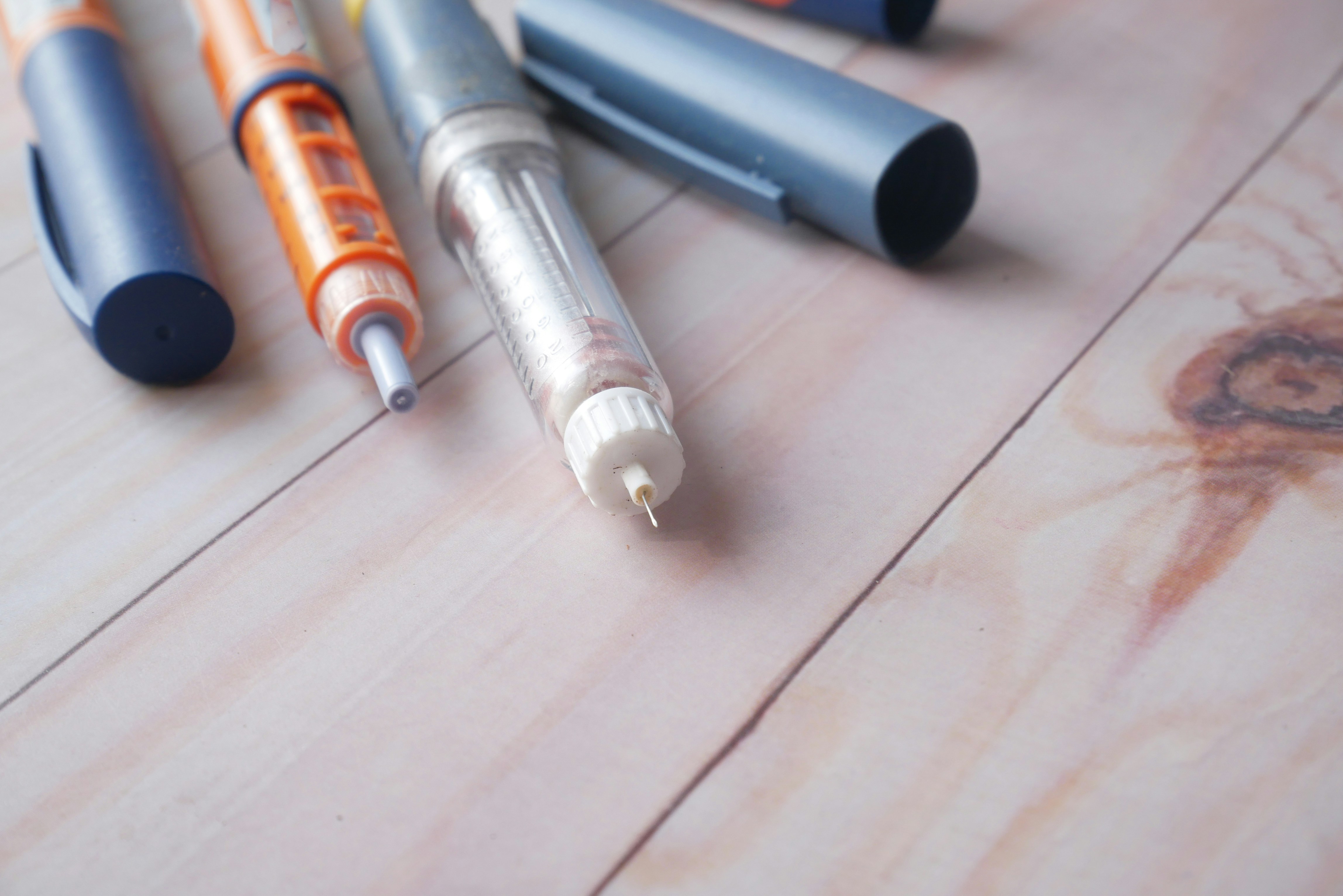
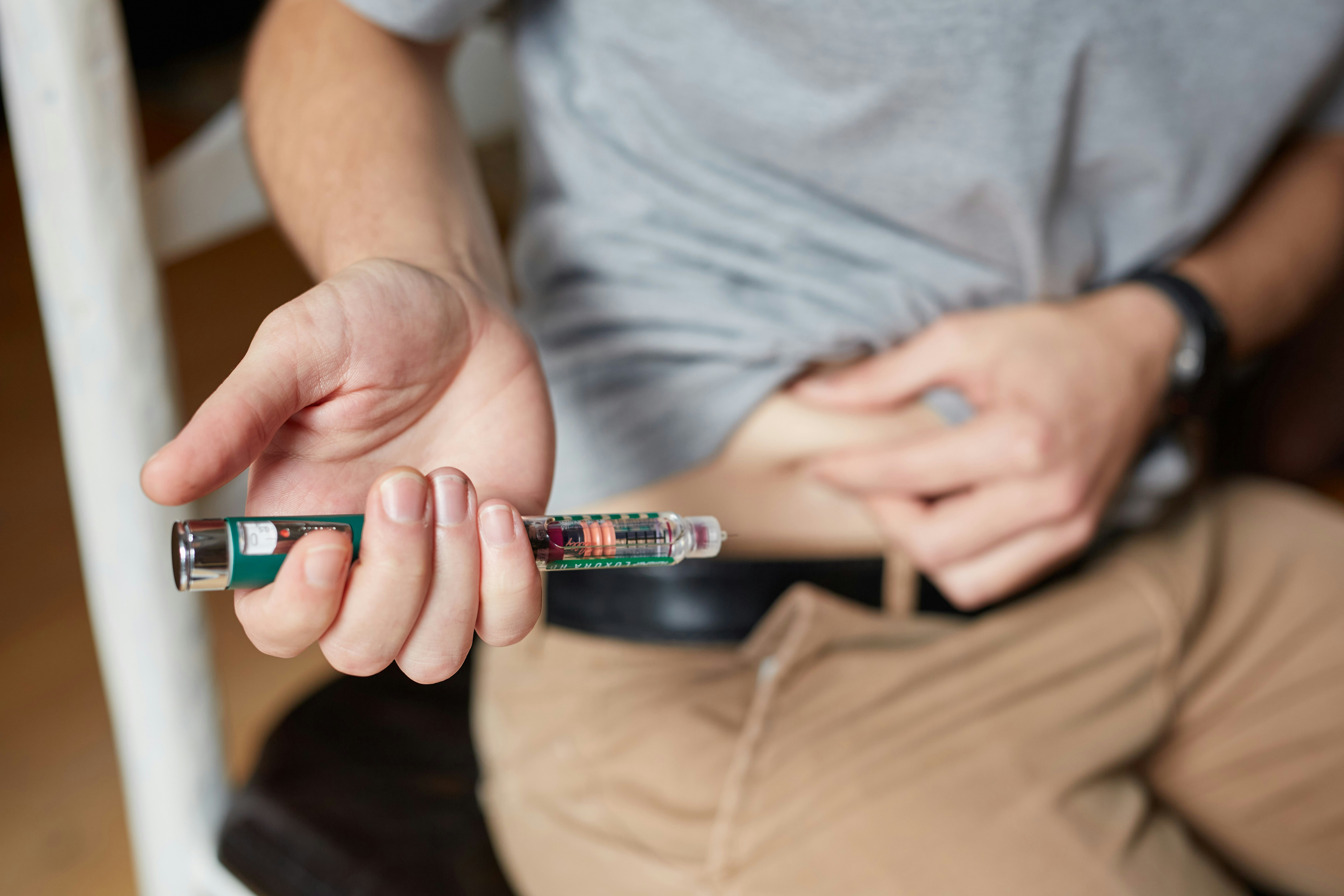
- Ozempic: Multi-dose pre-filled pen. One pen delivers multiple weekly doses. Needles attached before each injection and disposed of after.
- Mounjaro: Single-dose pre-filled auto-injector pen. One pen = one injection. No needle attachment required (hidden needle mechanism). Generally perceived as simpler by patients.
Storage
- Both agents: Refrigerate at 2–8°C before use. Do not freeze.
- Ozempic (multi-dose pen): After first use, store at room temperature (below 30°C) for up to 28 days
- Mounjaro (single-dose pen): An unopened pen can be kept at room temperature (below 30°C) for up to 21 days. Since each pen is single-use, there is no "after first use" storage period — the pen is discarded after the injection
Needle Supply
- Ozempic requires separate pen needles (NovoFine or compatible)
- Mounjaro does not require separate needles (integrated auto-injector)
PBS and Cost Considerations
This is where the two medications diverge most sharply in Australian practice:
Ozempic – PBS Authority Required
Ozempic is listed on the PBS for type 2 diabetes as an Authority Required prescription. Key criteria include:
- Diagnosis of type 2 diabetes mellitus
- Inadequate glycaemic control despite optimised metformin therapy (or contraindication/intolerance to metformin)
- Specific HbA1c thresholds for initiation and continuation
- Both initial and continuing treatment authority requirements apply
At PBS co-payment rates, patients pay approximately $25.00 (general) or $7.70 (concessional) per prescription.
Mounjaro – Private Prescription Only
Mounjaro is TGA-approved but not PBS-listed. The PBAC assessed tirzepatide for PBS listing at its November 2024 meeting and the outcome was Not Recommended. The PBAC determined that tirzepatide did not demonstrate acceptable cost-effectiveness at the price proposed by Eli Lilly.
This means:
- Patients pay the full private price — approximately A$285 to A$690 per month depending on the dose
- No authority streamline codes exist for Mounjaro
- Prescriptions are written as standard private prescriptions
- The cost is not counted toward the PBS Safety Net threshold
Eli Lilly may resubmit to the PBAC at a future meeting, but as of February 2026 there is no active PBS listing or pending recommendation.
Other PBS-Subsidised GLP-1 RAs
Currently, the only PBS-subsidised GLP-1 receptor agonists for type 2 diabetes in Australia are Ozempic (semaglutide) and Trulicity (dulaglutide).
When to Choose Which
The decision between Ozempic and Mounjaro in Australian practice is not purely clinical — it involves a significant cost-access dimension.
Ozempic is the Practical Default When:
- Patient needs a GLP-1 RA and affordability matters (i.e., most patients)
- Patient is already stable and well-controlled on semaglutide
- PBS-subsidised access is required or preferred
- Longer real-world safety track record is valued (earlier to market)
- Patient prefers a multi-dose pen format
Mounjaro May Be Considered When:
- Patient can afford the private prescription cost (A$285–$690/month)
- Greater HbA1c reduction is clinically needed beyond what Ozempic achieves
- Weight management is a significant secondary goal and the patient accepts the cost
- Patient has had an inadequate response to Ozempic or other GLP-1 RAs
- Patient prefers a simpler single-dose auto-injector device (no needle handling)
- More granular dose titration is beneficial (6 dose levels vs 4)
When Neither is Appropriate
- Type 1 diabetes (these are not insulin replacements)
- eGFR below thresholds specified in product information
- History of pancreatitis (use with extreme caution if at all)
- Pregnancy or planning pregnancy
Counselling Patients on Cost and Access
Pharmacists play a critical role in managing patient expectations around these medications:
- If a patient asks for Mounjaro: Explain that it is TGA-approved and available via private prescription, but not PBS-subsidised. Provide the approximate monthly cost range and suggest they discuss affordability with their prescriber
- If a patient wants to switch from Ozempic to Mounjaro: Ensure they understand the financial implications — moving from a PBS co-payment to A$285–$690 per month is a significant change
- If a patient asks about either for weight loss without diabetes: Neither is PBS-listed for weight management alone. Wegovy (semaglutide 2.4mg) has received a PBAC recommendation for chronic weight management but is not yet PBS-listed while price negotiations continue
- Off-label prescribing: Prescribing Ozempic or Mounjaro for weight loss without diabetes is off-label. Pharmacists should not encourage this and should be aware of supply implications for patients with diabetes
Key Takeaways for Pharmacists
- Mounjaro is NOT PBS-listed — PBAC ruled Not Recommended in November 2024. It is private-prescription only at A$285–$690/month
- Ozempic IS PBS-listed (Authority Required) — standard co-payment rates apply
- Mounjaro is a dual GIP/GLP-1 agonist — fundamentally different mechanism from Ozempic's GLP-1-only action
- Tirzepatide shows greater HbA1c and weight reduction in clinical trials, but this must be weighed against cost and access
- GI side effects are similar for both — mainly nausea, diarrhoea, and vomiting during dose escalation
- Different pen systems — Ozempic is multi-dose with separate needles; Mounjaro is single-dose auto-injector with integrated needle
- Storage differs — Ozempic multi-dose pen: 28 days at room temp after first use. Mounjaro single-dose pen: unopened pens up to 21 days at room temp
- Neither replaces insulin in insulin-dependent patients
References: TGA Product Information for Ozempic (semaglutide) and Mounjaro (tirzepatide), PBS Schedule, PBAC Outcomes – November 2024 Meeting, SUSTAIN and SURPASS Clinical Trial Programs, PBS Medicine Status Website
Frequently Asked Questions
Is Mounjaro PBS-listed in Australia?
No. Mounjaro (tirzepatide) is not PBS-listed in Australia. The PBAC reviewed Mounjaro for PBS listing at its November 2024 meeting and the outcome was Not Recommended, as it did not meet cost-effectiveness requirements at the proposed price. Mounjaro is only available via private prescription at approximately A$285 to A$690 per month depending on the dose.
Is Mounjaro better than Ozempic for type 2 diabetes?
Clinical trials show tirzepatide (Mounjaro) generally achieves greater HbA1c reduction and weight loss compared to semaglutide (Ozempic). However, in Australia, Ozempic is PBS-subsidised while Mounjaro requires a private prescription costing A$285–$690 per month. The best choice depends on clinical goals, tolerability, device preference, and whether the patient can afford the cost difference.
How much does Mounjaro cost in Australia without PBS?
Mounjaro costs approximately A$285 to A$690 per month via private prescription in Australia, depending on the prescribed dose. This compares with PBS co-payment rates for Ozempic of approximately $25.00 (general) or $7.70 (concessional). The PBAC rejected Mounjaro for PBS listing in November 2024.
What is the difference between Ozempic and Mounjaro pen devices?
Ozempic uses a multi-dose pre-filled pen that requires attaching a separate pen needle before each injection. Mounjaro uses a single-dose auto-injector pen with a hidden integrated needle — one pen per injection, no needle attachment required. Many patients find the Mounjaro device simpler to use.
How long can Mounjaro be kept out of the fridge?
An unopened Mounjaro pen can be stored at room temperature (below 30°C) for up to 21 days. Since Mounjaro pens are single-use, there is no post-use storage period — the pen is discarded after the injection. By comparison, an Ozempic multi-dose pen can be kept at room temperature for up to 28 days after first use. Both must be refrigerated at 2–8°C before use and must never be frozen.
Can I get Wegovy on the PBS in Australia for weight loss?
Not yet. Wegovy (semaglutide 2.4mg) has received a PBAC recommendation for PBS listing for chronic weight management, but it is not yet available on the PBS. Price negotiations between Novo Nordisk and the Australian Government are ongoing. It is expected to require established cardiovascular disease plus a BMI of 35 or above (or 32.5 for people of Asian, Aboriginal or Torres Strait Islander background) once listed.
Related Articles
Vistella (Calcifediol) in Australia: Monthly Vitamin D for Deficiency
Vistella is Australia's first high-strength calcifediol – a once-monthly vitamin D treatment now TGA-approved. Learn when calcifediol works better than cholecalciferol, dosing, and key counselling points for pharmacists.
5 min read
Wegovy (Semaglutide 2.4mg) in Australia: PBAC Recommendation, Dosing, and Pharmacist Guide
Wegovy has been recommended for PBS listing by the PBAC for adults with established cardiovascular disease and obesity. Here's what pharmacists need to know about the expected eligibility criteria, dose escalation, pen devices, storage, and essential counselling points.
9 min read